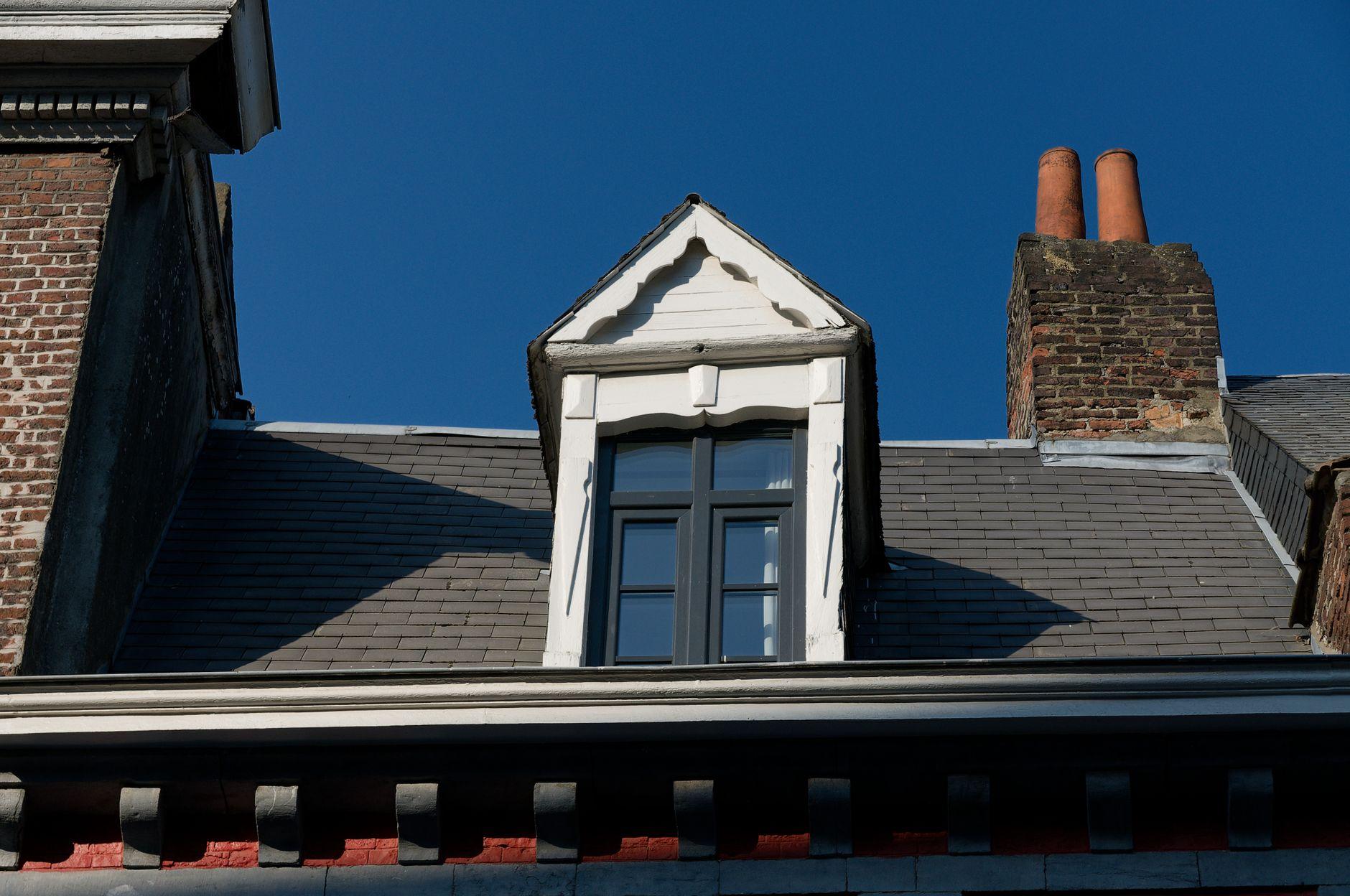

South Gate goes most of the year without real rain, then gets several months' worth between December and March. A chimney that let water in last winter has been dry since spring, so the fault is easy to forget until the first storm finds it again. October is the last calm month to fix it.
How a dry climate hides a leak
In places with rain all year, a chimney leak shows up quickly and keeps showing. Here it disappears for eight months. The stain on the ceiling dries out, the smell fades, and by September the only clue may be a ring of paint that looks a little different. Meanwhile the fault that caused it has had a long, hot summer to get worse: sealant has cracked in the sun, mortar has shrunk, and metal at the roofline has moved a little more with every hot afternoon.
That is why we see a wave of leak calls in late December. The same leaks could have been fixed in October with no tarps, no wet attic and no wait.
Where chimney water usually gets in
On a typical South Gate house, water reaches the inside through one of a handful of routes. Each one fails in its own season.
The crown. The concrete slab on top of a brick chimney takes the full sun all summer and cools fast at night. Over years that cycle opens cracks, and the first heavy rain runs straight into them.
The metal at the roofline. Flashing is two layers of sheet metal that seal the joint between brick and roof. The roofing moves with heat, the chimney does not, and the sealant along the top edge dries and pulls away in summer.
An open flue. With no cap, the flue is a straight pipe down into the firebox and the smoke shelf. Winter storms here often come with wind, so rain enters at an angle and soaks the brick from the inside.
The brick itself. Old soft brick and worn joints soak up water like a sponge, then let it out on the attic side.
The uphill side of a wide stack. On a broad chimney set across the slope of the roof, water and leaves collect behind it in every storm, and the flashing there sits under a small pond.
What each fix costs on our list
Our prices for the common leak jobs, in the order we usually meet them:
| Job | Price |
|---|---|
| Finding the leak and stopping it | $560 to $3,350 |
| Diverter built behind a wide stack | $450 to $1,010 |
| Diverter plus new step flashing | $675 to $1,650 |
A cap over an open flue is not on that list. It is quoted after we measure.
Crown repair and flashing replacement on their own have no set figure. The size of the chimney and what we find under the old metal decide them, so you get a written price once we have been on the roof. Where the masonry soaks water, waterproofing follows the repairs, never before them.
Book the roof visit while it is dry
What decides the price is which of those routes the water is taking, and often it is more than one. Book a leak visit through the form and describe where the water appeared last winter: which room, which wall, and whether it came with every storm or only the heavy ones. That points us to the right part of the chimney before we arrive.
What we do on the visit
We start in the house, at the place the water appeared, then go up to the attic and follow the chimney through it. On the roof we look at the crown, the cap, the flashing and the brick, and we test the suspect area with water if the cause is not plain. You get photos of every fault we find and a written quote that says which route each fix closes.
Why October and not December
- the roof is dry and safe to walk, so the whole job is done in one visit
- sealants and mortar need dry days to cure, and October has plenty
- there is no water damage inside yet to dry out and repaint
- the fireplace is ready for its first fire without a tarp over the stack
A leak fixed in December can still be done well, but it often means a temporary cover first and a second trip once the weather clears.
If the water is already inside
A ceiling that has been wet more than once can hide damage behind the paint: soft drywall, swollen trim, a damp top plate in the attic. Our job is the chimney, so we stop the water at its source and point out what we saw inside, with photos, for whoever repairs the ceiling or handles an insurance claim. Our page on repairs after a claim covers what an adjuster asks for.
Related work
If the crown is the culprit, see chimney crown repair. If the metal is, see chimney flashing repair. For a factory-built chimney boxed in siding, the chase cover is the usual source. All of it is on our chimney leak repair page as well.
We do leak work across South Gate, Compton, Gardena and Los Angeles. If your chimney also needs a sweep this year, our post on sweep cost by the calendar shows how to fold it into the same visit.
Before the first storm of the season, a note on our contact page gets the roof visit onto the calendar.
Which Month Suits Your Chimney?
Yardley Chimney Pros books sweeps, inspections and repairs from South Gatearound the burn season. Use the contact form to name the job and the month you prefer.