
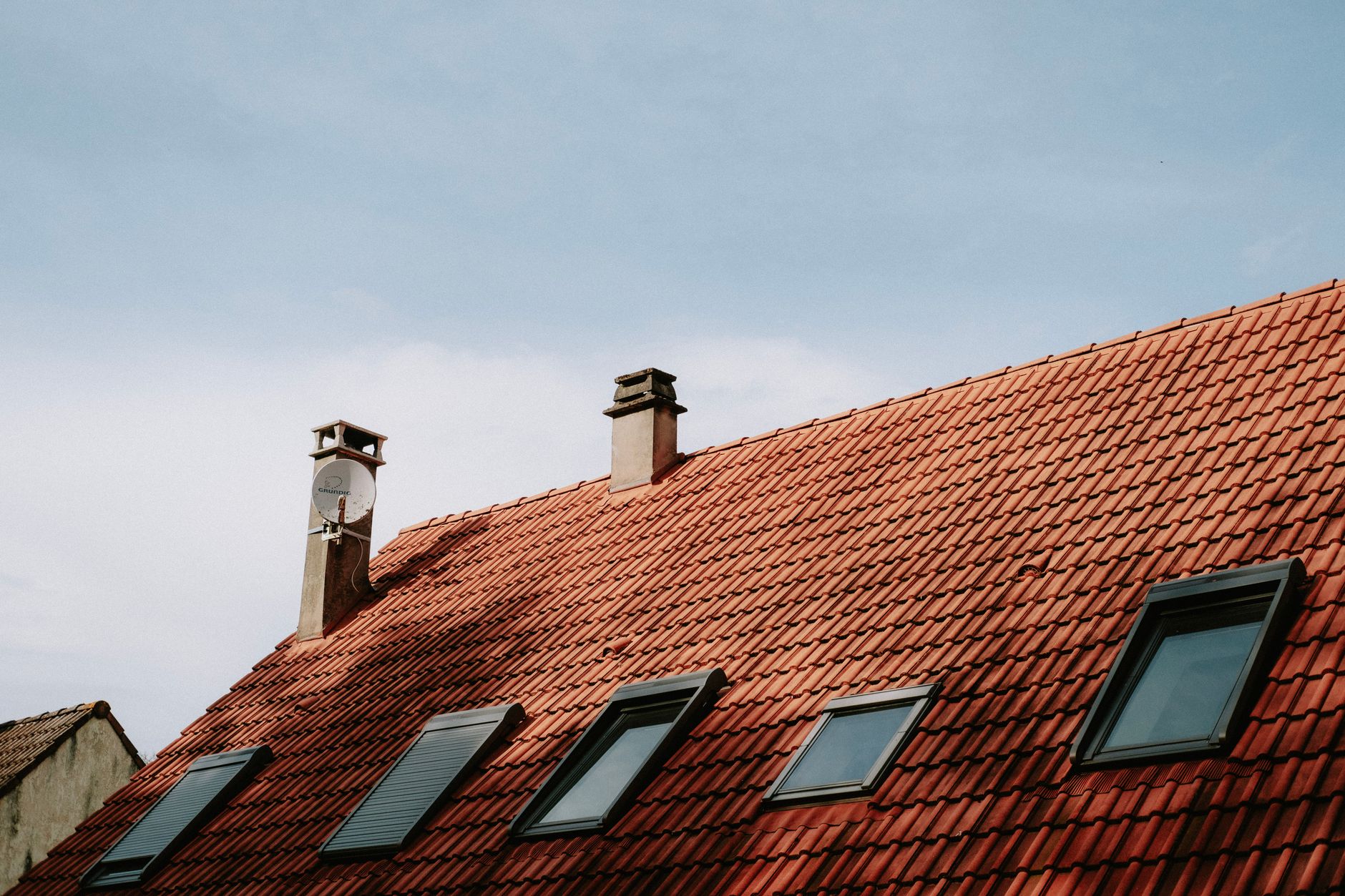
Chimney Cap Installation in South Gate
Pick a Month for This Job
Give us the address, the fireplace or stove type and the month you prefer. We call back to settle the day and the price.
At a Glance
Over a year a cap does three jobs: it keeps winter rain out of the flue, holds embers in during burn season and stops birds from nesting in spring. We measure each flue, fit a stainless or copper cap with mesh and fasten it to the tile or crown. Every cap, custom and oversized ones included, gets its price on the roof after we measure. One round flue is the simplest job, and a custom cover over a wide crown the biggest.
A Cap Works on Three Calendars at Once
A chimney cap earns its keep in three different seasons. In spring, birds and squirrels look for a dry, sheltered spot to nest, and an open flue is exactly that. In the rainy months, an uncapped flue collects water straight down its center, onto the damper and the smoke shelf, where it rusts metal and wets the mortar. And in the burn season, the mesh on the sides of the cap keeps embers from landing on your roof or a neighbor's, which matters when Santa Ana winds blow dry air across the county in fall. So the cap is not a one season item, and the right month to fit one depends on which of those problems you are closing off first. If birds are the worry, aim for February or March, before the nesting starts. If rain is the worry, early fall is better.
We see a lot of capless chimneys in South Gate and the neighboring cities. Some never had a cap. Others had one that rusted out, blew off in a storm, or was a thin galvanized model that lost its mesh years ago. A cap check is part of every sweep and inspection we do, so many people find out they need one at that visit. When that happens in the fall, we can usually fit the cap at the same time or soon after, so the flue goes into winter covered. When it happens in spring, we try to get it on before nesting picks up. A flue that already holds a nest needs the nest cleared and the flue swept first, which is one more reason to cap early rather than after the birds have moved in.
Choosing the Cap, and What Sets the Price
You get a cap price once we have measured the flue. The easiest install is a stainless model over a single round or square tile. The figure climbs with the size of the flue, how many flues share the chimney, the metal you choose, and whether the top calls for a made-to-measure cover over the whole crown rather than one tile. Two or three flues side by side often get a single wide cap built to the measured top, which costs more than a stock model but shields the crown as well. Copper costs the most and is chosen for looks. Factory-built metal chimneys need the cap made for that system, since the cap is part of how the unit was tested. We measure on the roof and tell you which option fits before ordering anything.
Mesh size matters as much as the metal. Too coarse and it lets sparks through; too fine and it clogs with soot and starves the fire of draft. We fit mesh suited to how you burn, and on wood-burning chimneys we look at it each year during the sweep, because a mesh plugged with soot is one of the common causes of a fire that suddenly will not draw. The cap also sits on top of the crown, so a cap job is a chance to look at the crown closely. If it is cracked, the right order of work is crown first and cap second, and we price both so you can schedule them together. Tell us in the form how many flues you see on top of the chimney and whether there is anything there now.
How Yardley Chimney Pros Plans the Work
Right Month
Sweeps in spring or fall, masonry in dry weather
Room to Roof
Firebox and damper, then crown, cap and flashing
Price on Paper
List prices where we have them, a written scope otherwise
Seasonal Report
Photos, with each item marked now, before winter or spring
Where we book chimney cap installation
Pick your town for its weather, housing and the months that suit this job there.
CA
Chimney Cap Installation in South Gate
Factory jobs built this suburb after its 1923 incorporation, and 47% of homes here predate 1950. That age puts most South Gate brick stacks on our August sweep-and-inspect list, well ahead of the first cold evening.
Open the town pageCA
Chimney Cap Installation in Compton
Over the years, many postwar brick and block chimneys in Compton took on a gas log set. That set still needs yearly service, so our October slot covers the logs, the damper and the flue.
Open the town pageCA
Chimney Cap Installation in Gardena
After World War II, tracts filled in what berry farms and Japanese American families had started. September and October are the months we reserve to sweep those ranch-house fireplaces, before winter evenings set in.
Open the town pageCA
Chimney Cap Installation in Los Angeles
Carroll Avenue in Angelino Heights still holds Victorian houses, while other parts of the city run to postwar tracts and hillside builds. With 36% of homes owner-occupied, we line up the fall sweep with the owner or the building manager.
Open the town pageAlso on the Calendar
Chimney Sweep
A fall or spring brushing of the flue, timed so soot and creosote come out before the first cold night.
Read more →Chimney Inspection
A yearly look at flue, crown and firebox, set before burn season so any repair fits into the dry months.
Read more →Chimney Repair
Masonry, flue and roofline fixes scheduled into the dry stretch between April and October.
Read more →Fireplace Inspection
The room side of the system looked over before you light the first fire of the season.
Read more →Fireplace Repair
Firebox, damper and hearth repairs booked in the off months so the fireplace is ready by November.
Read more →Chimney Level 2 Inspection
The deeper inspection with recorded flue video, booked for a sale, after a quake or after a chimney fire.
Read more →Chimney Flashing Repair
Roofline metal around the chimney replaced in the dry months, before winter rain finds the gap.
Read more →Chimney Masonry Repair
Spring through early fall is our window for repointing, swapping spalled brick and crown work, so mortar cures well.
Read more →Chimney Rebuilds
Full or partial chimney rebuilds planned for summer, with permits, a new crown and a cap at the end.
Read more →Fireplace Cleaning
End of season ash, soot and glass cleanup so the firebox sits clean through summer.
Read more →Gas Fireplace Cleaning
A yearly service for a gas fireplace before cool evenings arrive, covering burner, pilot, glass and vent.
Read more →Gas Fireplace Repair
October is when a stubborn gas fireplace shows itself; we test each part and fit matching parts for that model.
Read more →Fireplace Remodel
New faces, mantels, hearths and gas conversions, planned in spring so the room is done before burn season.
Read more →Fireplace Inserts
Gas, wood or electric inserts that turn a drafty masonry fireplace into a real room heater, installed ahead of winter.
Read more →Pellet Stove Repair
Pellet stove repairs and a fall tune-up, so the feed, igniter and fans are sound before you need the heat.
Read more →Wood Stove Repair
Spring is our stove month: worn door gaskets, baffles, firebrick and pipe renewed so the stove is ready by fall.
Read more →Gas Logs
Gas log sets picked, sized and fitted in late summer, ready for the first cool evening of the year.
Read more →Chimney Seismic Retrofit
Bracing, strapping or a lighter top section for an older brick chimney, planned for dry weather.
Read more →Chimney Crown Repair
Crown cracks sealed or a new crown cast in summer, so winter rain stops soaking into the top of the brick.
Read more →Dryer Vent Cleaning
Lint cleared from the dryer duct between machine and wall cap, a yearly job that fits any month.
Read more →Chimney Liner Installation
A new stainless flue lining when the old clay tile has cracked, planned for the warm months.
Read more →Chimney Leak Repair
Water at the chimney traced to its source and fixed in the dry season, before the January storms.
Read more →Chimney Waterproofing
A water repellent rolled onto brick that has already been repaired, timed for a dry week before the rains.
Read more →Chimney Damper Repair
A damper that sticks, rattles or leaks air, fixed or replaced in the off season before the first fire.
Read more →Chimney Chase Cover
A rusted metal lid on a framed chimney replaced with a cover made to measure, ahead of the winter rain.
Read more →